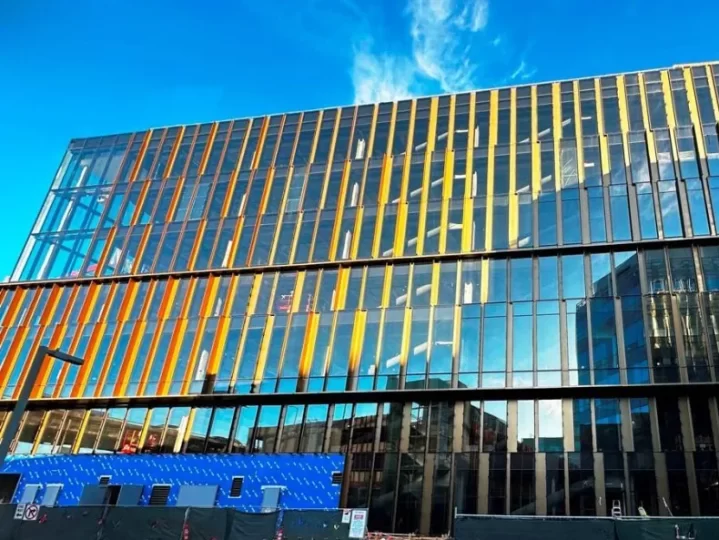
Laboratory & science
Multi-use buildings
Laboratory and other science buildings are usually multi-use facilities with laboratories, offices, storage, and frequently, teaching spaces.
These buildings therefore present a combination of the challenges found in other building types and often include the added complexities of multiple facade system types and interfaces.
Contamination management
Laboratories always require a focus on inbound and outbound contamination management. Strategies such as high air-change rates, strict pressurization control, and careful intake / exhaust separation all impact enclosure design.
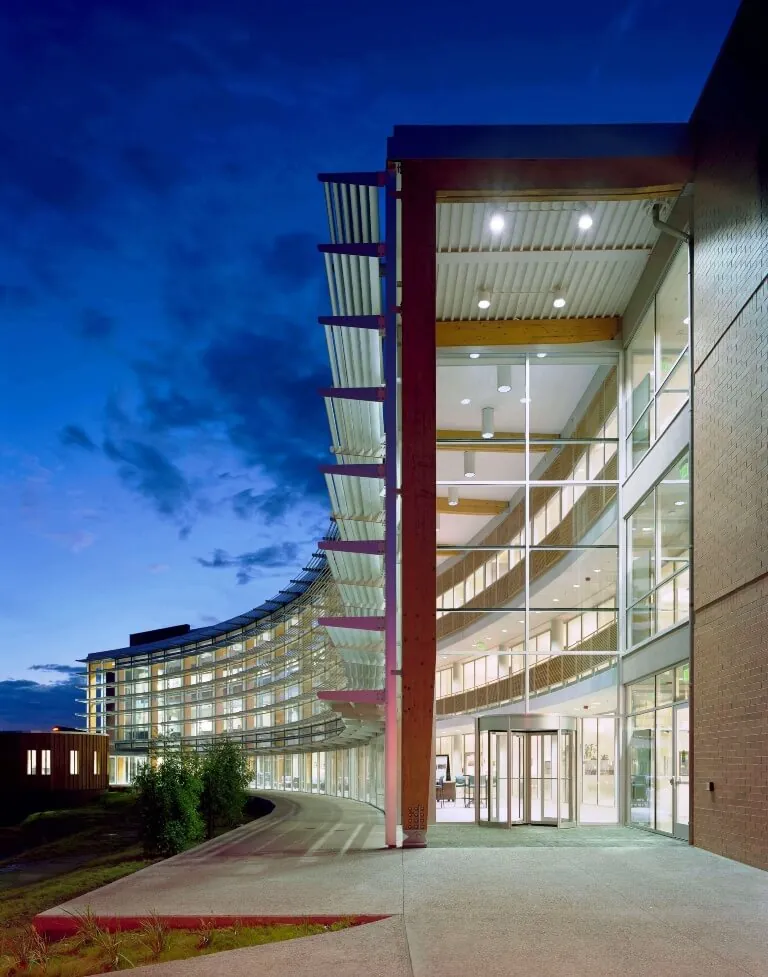
Applied R&D Building facade end view, Northern Arizona University
Risk mitigation
One of our key considerations on lab projects is risk mitigation. Risk is a combination of consequence of occurrence and likelihood of occurrence.
The biosafety level (BSL) obviously impacts the consequence of a breach but we work with the architect and team on reducing the likelihood to levels acceptable to the owner.
On lab projects we therefore advise on:
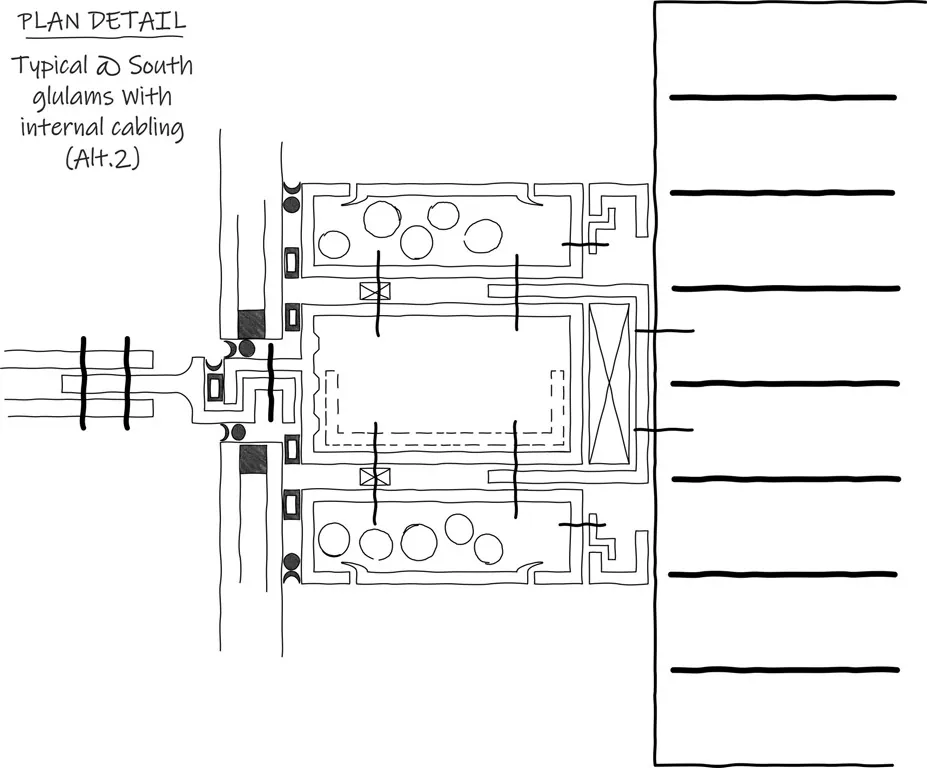
- Air-tight detailing, particularly at cladding system interfaces,
- Compartmentation seals between interior walls & the enclosure that also allow required facade movements,
- Multiple lines of defense for air- & water- barriers,
- Specification of high-quality facade materials & components to reduce the potential for failures now & in the future,
- Emphasizing high levels of supplier quality control combined with extensive in-situ facade performance testing to increase assurance & lower the risk of breaches.
Energy efficiency
According to the National Institute of Building Sciences, a typical lab uses five times the energy per square foot of a typical office building.
The design team thus needs to also emphasize energy efficiency and the facade plays a large part in that effort.
We work closely with the architect & team to mitigate high mechanical energy costs through the use of:
- Seamless integration of the facade with the usually extensive mechanical systems,
- Building overhangs & shades to control thermal gain,
- Appropriate glazing makeup & thermal breaks,
- Additional roof & external wall insulation without the addition of bulk,
- As appropriate, Building Integrated Photovoltaics (BIPVs).
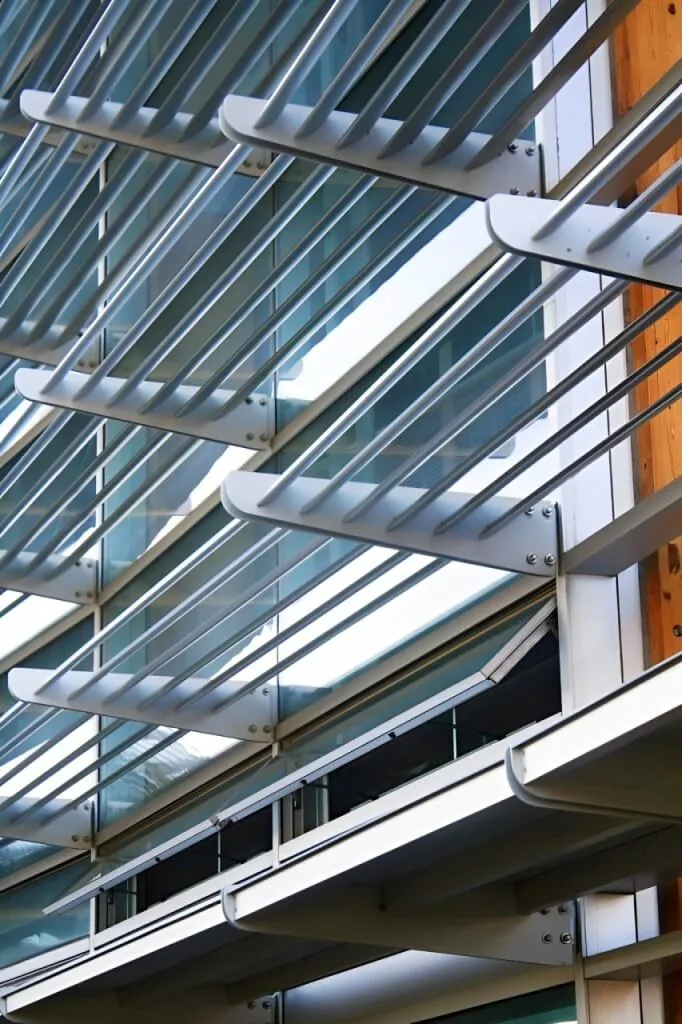
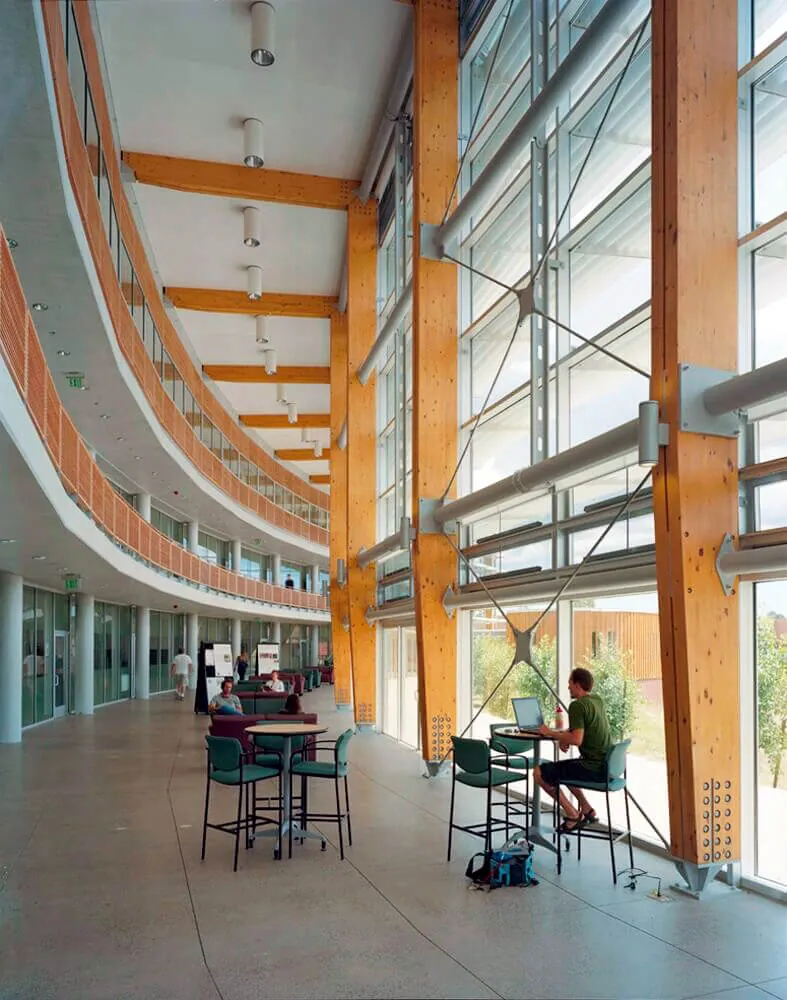
Concourse interior, Applied R&D Building, NAU
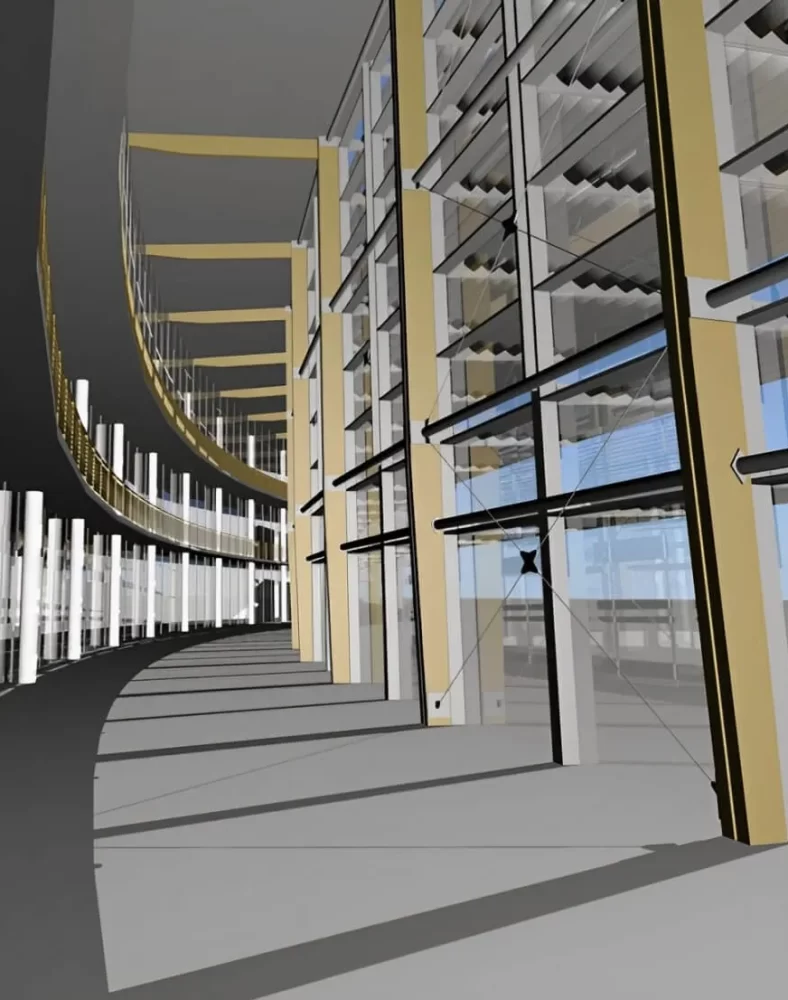
Facade shading pattern analysis, Applied R&D Building, NAU
Sample projects
- 1450 Owens – Mission Bay, CA
- 1499 Old Bayshore Highway Life Sciences – Burlingame, CA
- Applied R&D Building, Northern Arizona University – Flagstaff, AZ
- Brain & Cognitive Sciences Complex, MIT – Boston, MA
- California Academy of Sciences – San Francisco
- Center for Health Sciences South Retrofit, UCLA
- Chemical Engineering Teaching Annex, Sydney University – Australia
Sample projects
- Donald Danforth Plant Science Center – St. Louis, MO
- Goel Quantum Science & Engineering Building, Harvard University – Cambridge, MA
- Nursing & Biomedical Sciences, UT Houston
- Science + Engineering Building, UC Merced
- Skaggs School of Pharmacy Sciences, UCSD
- Snyder Hall, University of Hawai’i – Honolulu
- The Landing Life Sciences – Burlingame, CA
The Landing Life Sciences, Burlingame, CA
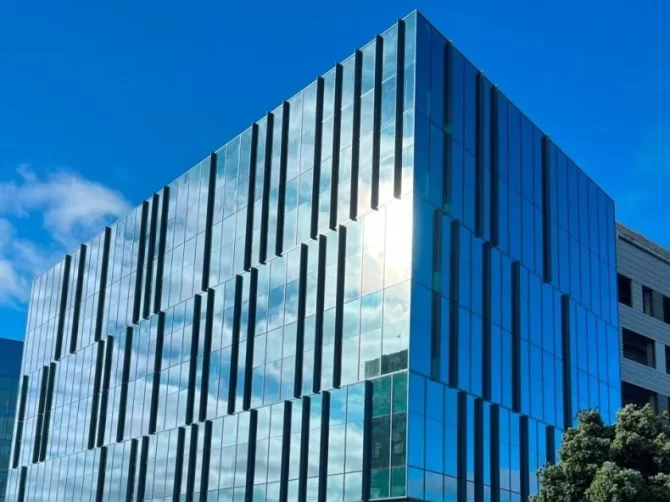
Brain & Cognitive Sciences Complex, MIT
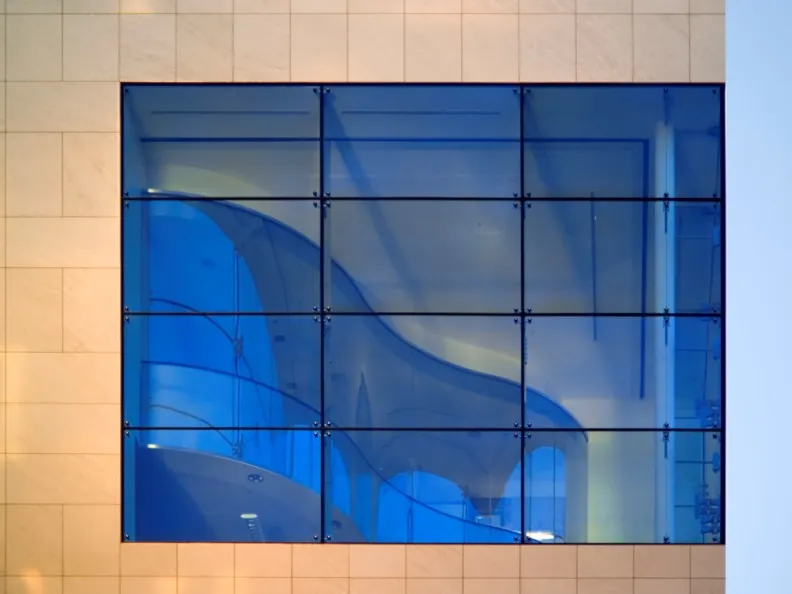
Skaggs School of Pharmacy Sciences, UCSD
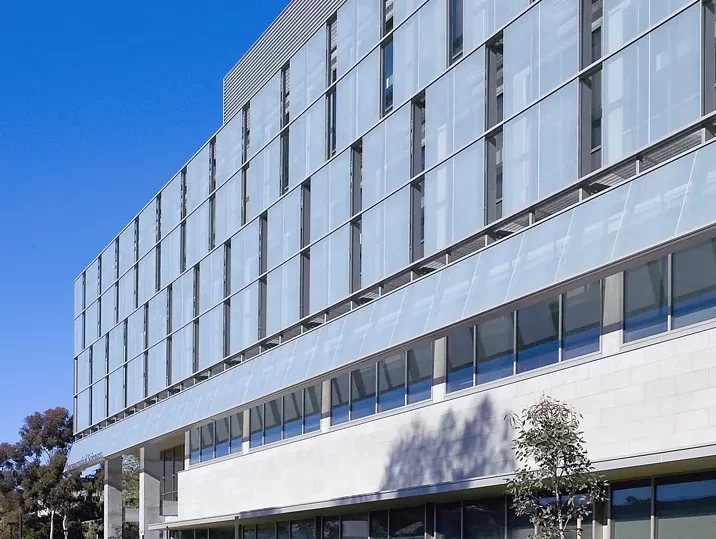
Center for Health Sciences South, UCLA
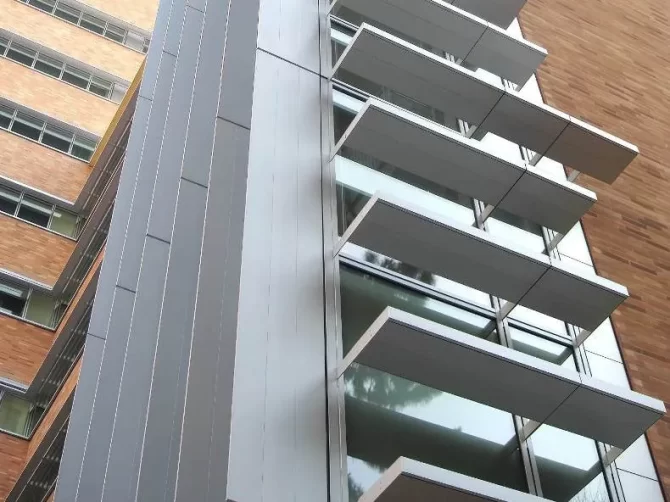
Gordon Yu-Hoi Chiu Bldg, Sydney University
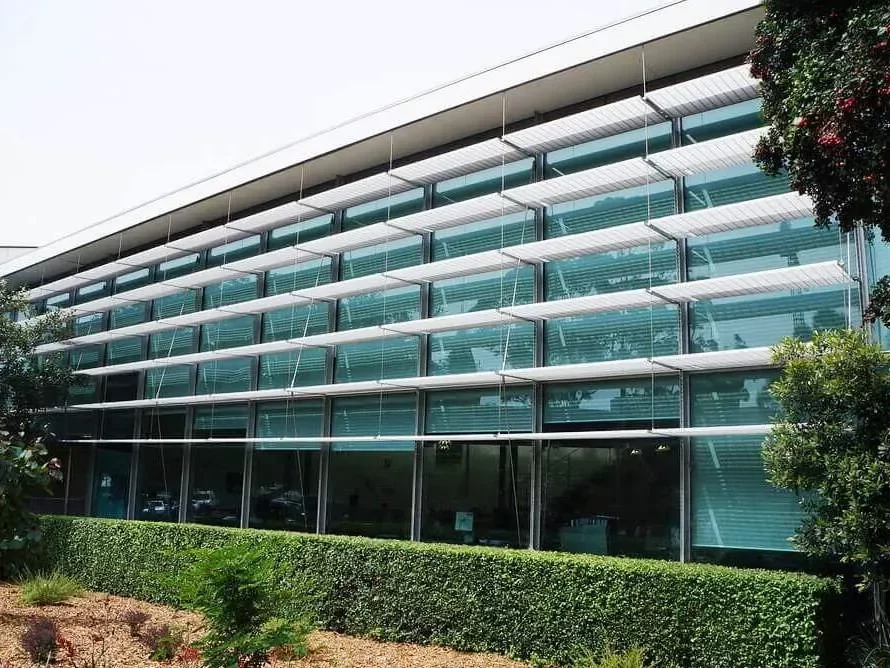
1450 Owens, Mission Bay CA