Decarbonization
Sustainability is built into our DNA (discussed here) and decarbonization is a passion that informs our work across every phase.
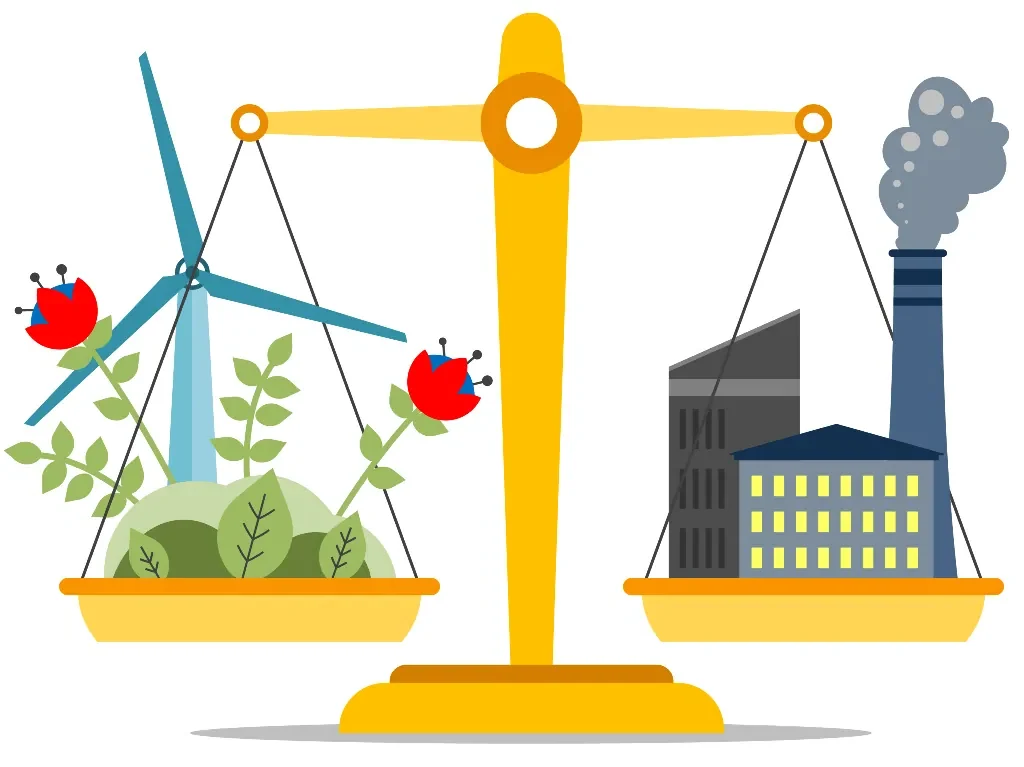
Decarbonization is the reduction & capture of emissions. In the built environment sector, decarbonization means reducing the greenhouse gas emissions (GHG) that are attributable to both the construction (embodied energy / carbon) & operations (operational decarbonization) of a building.
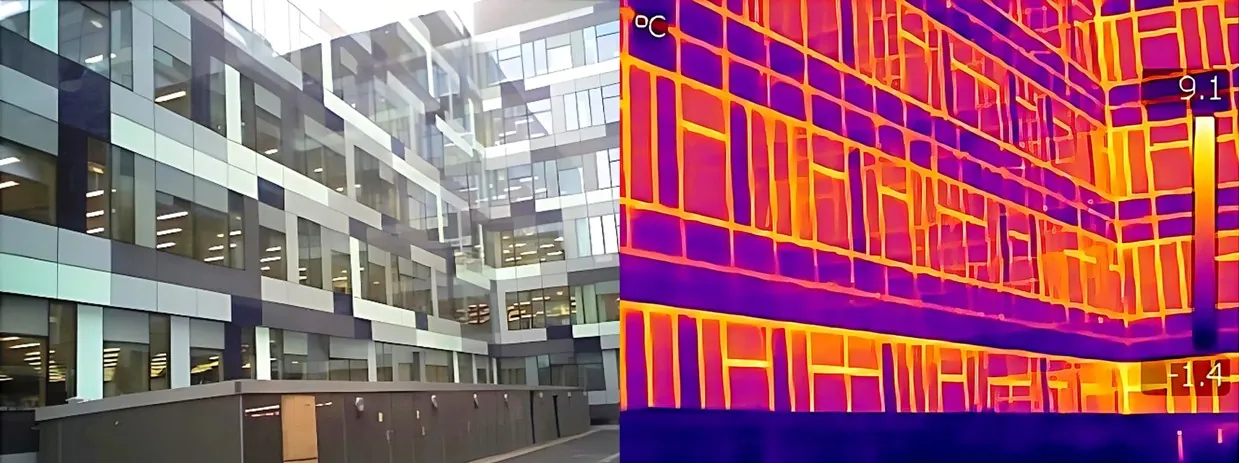
Any effective building GHG reduction strategy depends on an efficient facade that reduces building energy use. This reduction makes viable the use of electricity-based mechanical equipment needed for building ‘electrification’ and lowers the offsetting renewable energy generation burden on a Net Zero-Energy building.
We have been at the forefront of integrating building decarbonization and enclosure design. More details here but our involvement includes:
- Deploying decarbonization on actual projects,
- Participating in strategic initiatives,
- Publishing guides & papers,
- Training current professionals,
- Educating architectural students.
This work, coupled with our deep practical experience, means we are uniquely placed to help owners & architects achieve cost effective, high performing facades within the overall aesthetic by:
- Effective & continuous thermal insulation without thermal breaks,
- Effective & continuous air barriers to control infiltration,
- Solar control strategies to reduce solar heat gains while maximizing daylight penetration,
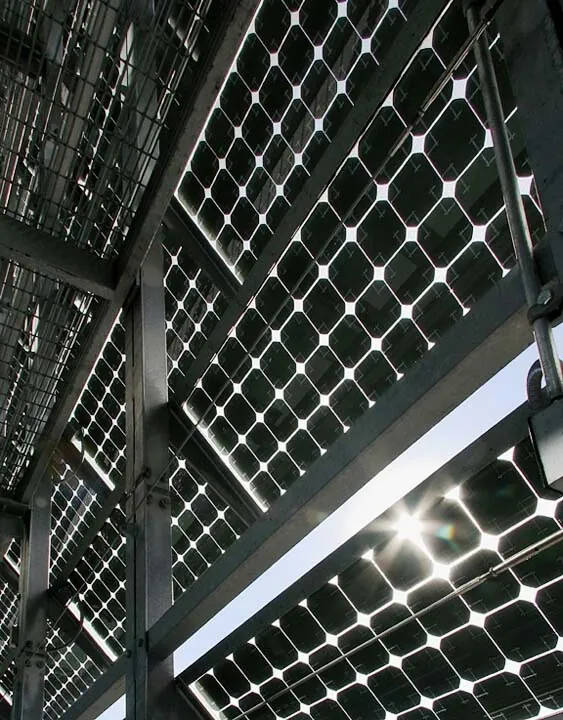
- Appropriate use of building-integrated photovoltaics (BIPVs) & other facade-located generating technologies.
Typical scope of work:
- Solar control & energy generation system selection & development
- Solar control & energy usage quantification
- Facade energy generation system details
- Facilitate workshops in design assist to preserver design & performance intents
- Review final facade drawings for constructability & barrier continuity
- Advice on & observe testing to confirm barrier continuity of attachment & electrification penetrations