
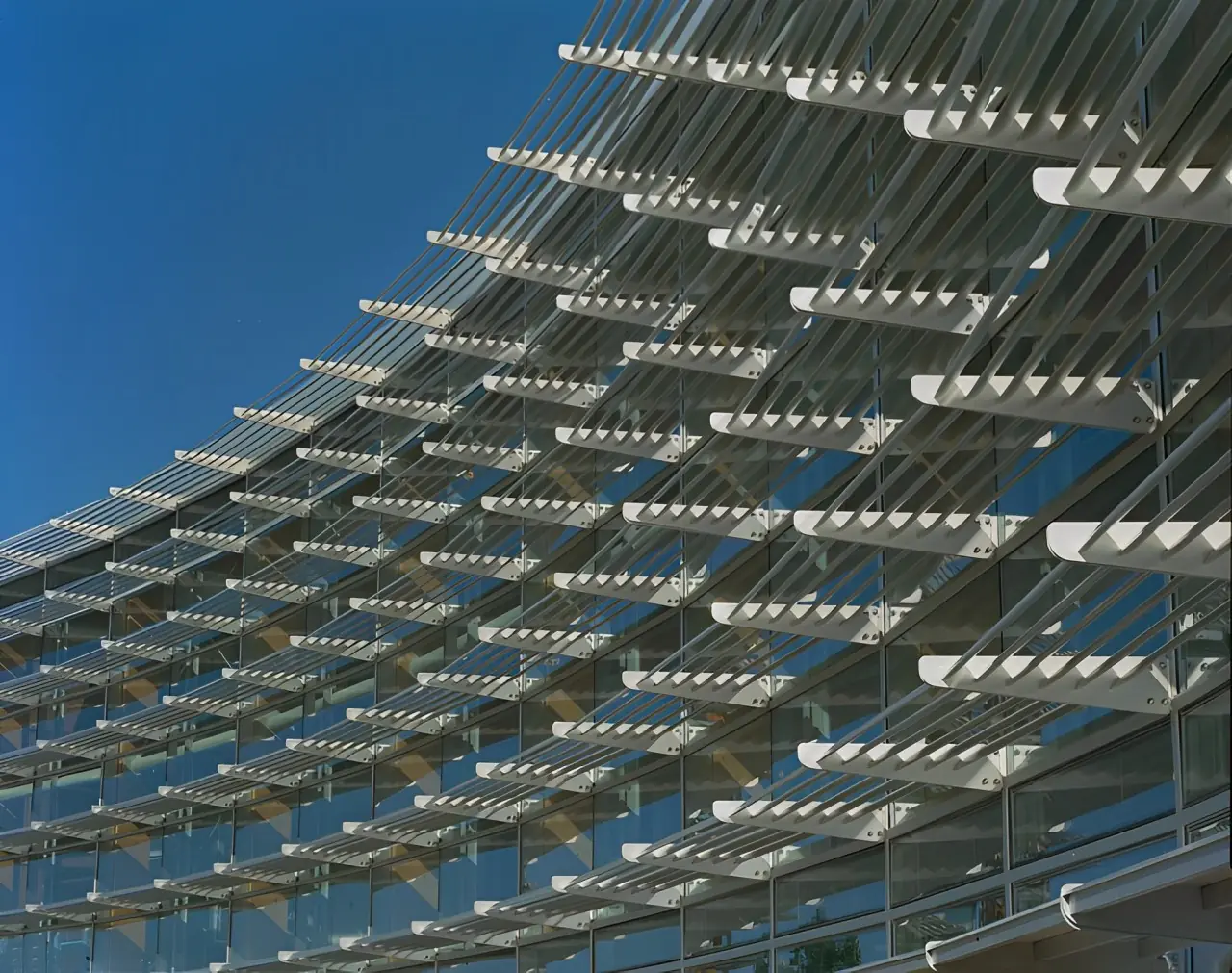
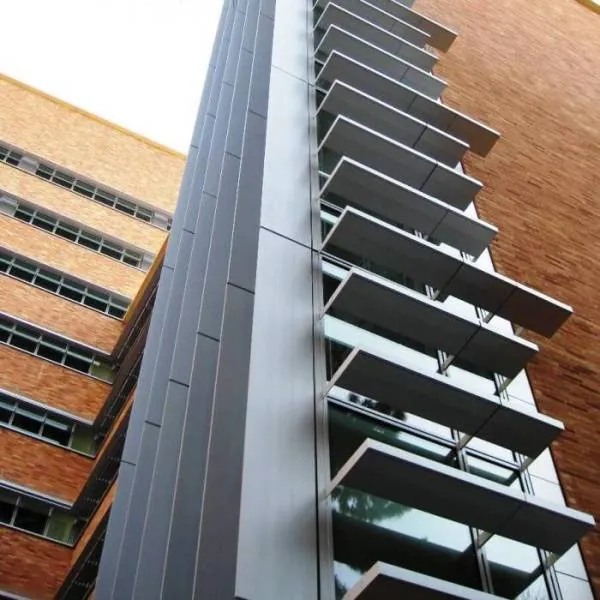
Applied R&D Building, Northern Arizona University
Solar control
Owners are calling for more daylight penetration & better energy efficiency.
Modern aesthetics require larger, clearer glass panes.
Regulators are demanding ever higher levels of energy efficiency.
This all means that solar control strategies are an increasingly vital component of cutting-edge building design.
Solar control is a key component of most of our projects.
Our holistic approach, predicated on consideration of the interconnectivity of the facade & the other building systems, ideally positions us to:
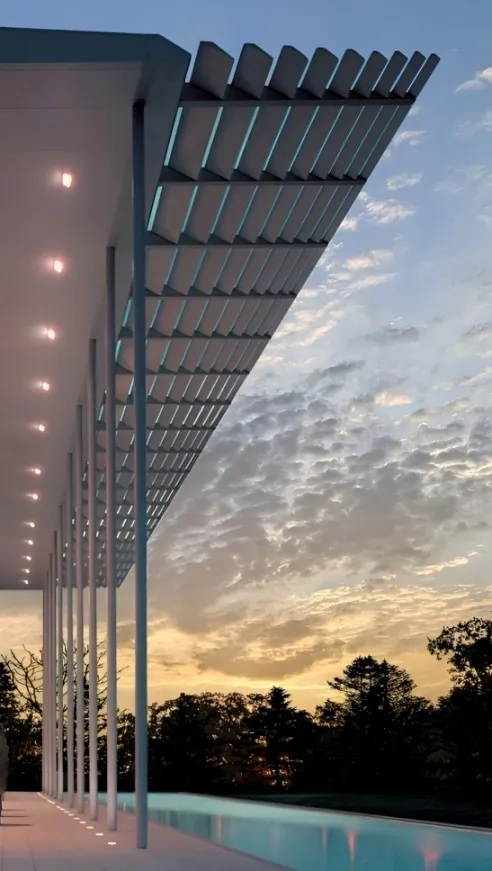
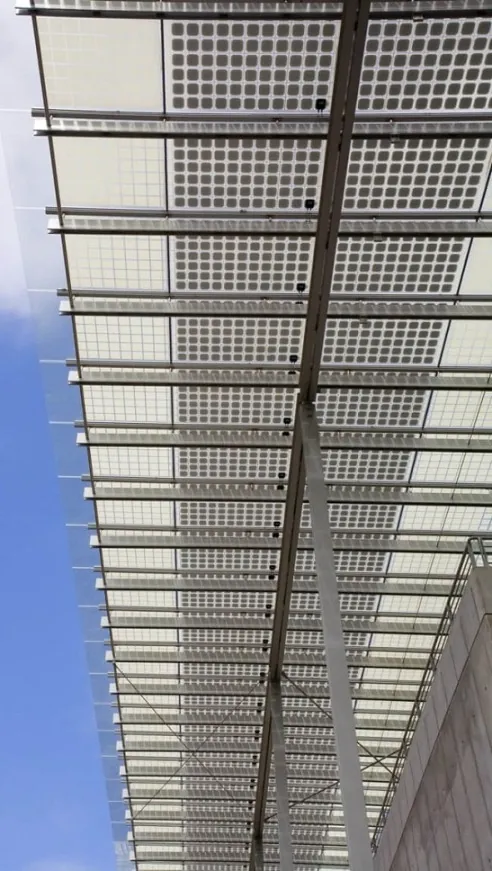
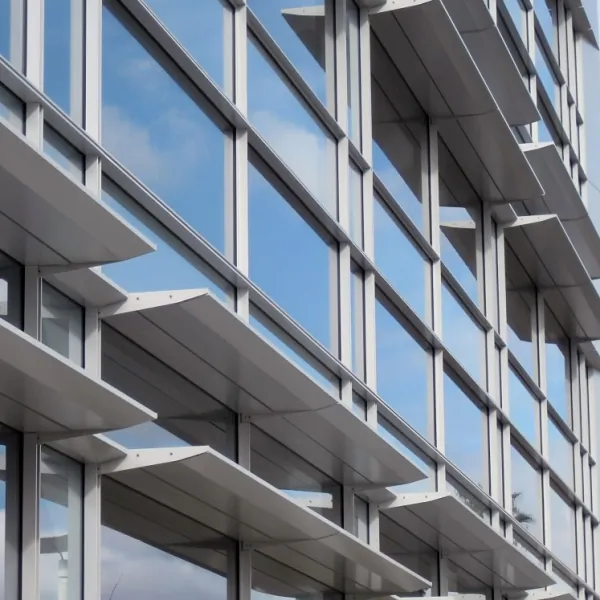
- Advise on facade shading systems that enhance the aesthetic,
- Work with subcontractors to address their issues while preserving the design intent & aesthetic,
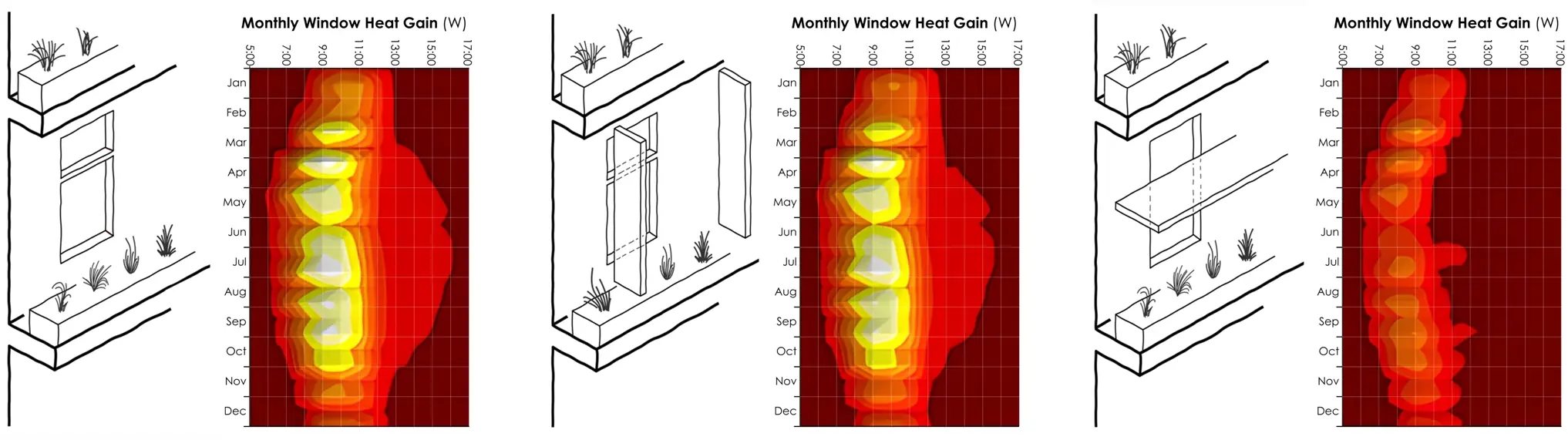
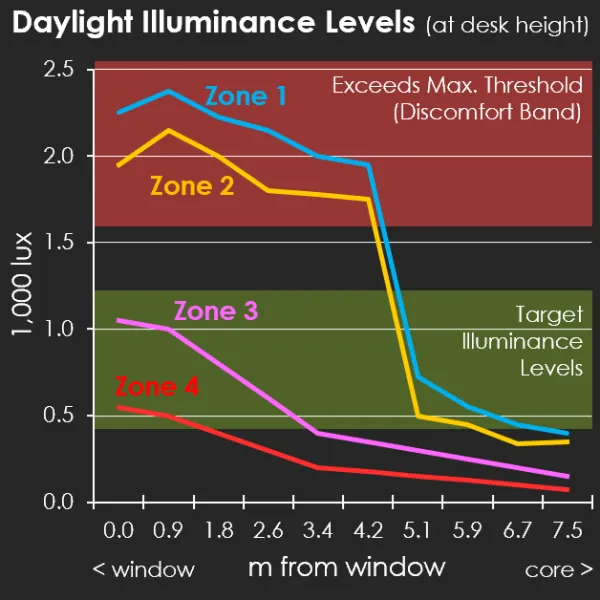
- Quantify the impact of different shading options on daylight penetration, occupant comfort, and lighting & mechanical systems design,
- Prepare visualization diagrams to easily communicate quantification data to facilitate design choices,
- Create details to preserve control line continuity,
- Devise testing plans to ensure control line continuity at anchorages.
Typical scope of work
Our solar control expertise usually augments other services as the shading system is inextricably intertwined with the rest of the facade & building. We typically:
- Advise on shading system selection, design characterization & development
- Create thermal & daylight performance modeling & visualization graphics
- Review final shading system details for aesthetics, constructability & performance continuity
- Prepare indicative sketches of shading attachment details
- Work with subcontractors during design assist to ensure design & performance intents are met
- Advise on testing to confirm shading anchorages remain air & water-tight